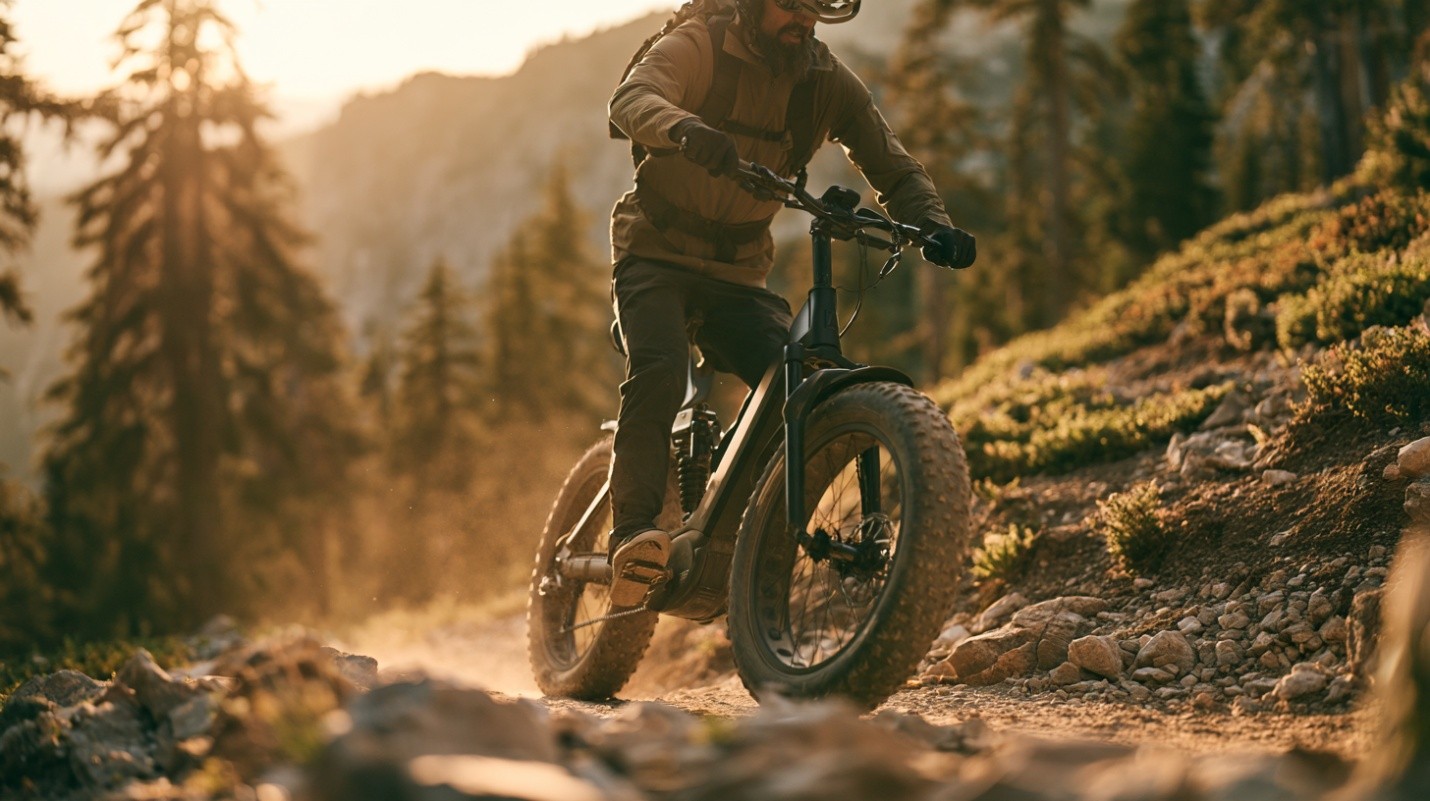
Riding on uneven terrain requires more than just a powerful motor and a durable frame. Whether navigating gravel paths, dirt roads, rocky trails, or grassy surfaces, having the right suspension and tire setup can make a significant difference in overall riding performance. These components help absorb impacts, maintain traction, and provide better control when traveling across challenging outdoor environments.
An off-road electric scooter is designed to handle surfaces that standard urban scooters may struggle with. However, not all models offer the same suspension systems or tire configurations. Understanding how these features work can help riders select a scooter that delivers better stability, comfort, and handling while exploring different types of terrain.
1. Understanding Off-Road Suspension Systems
Suspension systems play an important role in absorbing shocks and vibrations caused by uneven surfaces. Without proper suspension, riders may experience uncomfortable impacts and reduced control when traveling over rocks, potholes, and rough trails.
Front and Rear Suspension
Electric scooters commonly feature front suspension, rear suspension, or a combination of both. Each configuration provides different benefits depending on the riding environment.
- Front suspension: Helps absorb impacts from obstacles encountered by the front wheel.
- Rear suspension: Reduces vibrations transferred through the rear wheel and foot platform.
- Dual suspension: Combines front and rear shock absorption for improved comfort and stability.
For riders who frequently travel on rough trails, dual suspension can provide a more comfortable experience.
2. Choosing Between Different Tire Types
Tires determine how effectively a scooter maintains traction across different surfaces. The right option depends on where and how frequently the scooter will be used.
Pneumatic vs. Solid Tires
Pneumatic tires are filled with air and generally provide better shock absorption. Their flexibility helps maintain contact with uneven surfaces, improving comfort and traction.
Solid tires do not require air pressure checks and are less vulnerable to punctures. However, they may provide a firmer ride, especially on rocky or uneven terrain.
For off-road riding, pneumatic tires are often preferred because they offer better cushioning and adaptability.
3. Understanding Tire Tread Patterns
Tire tread influences grip, braking performance, and handling. Different patterns are designed to perform better on specific surfaces.
Match the Tread to the Terrain
Consider these common tire characteristics:
- Knobby tread: Provides additional grip on dirt, loose gravel, and muddy surfaces.
- All-terrain tread: Offers versatility across pavement, gravel, and moderately rough trails.
- Deep tread patterns: Help improve traction on softer and less stable surfaces.
- Wider tires: Can provide greater stability and a larger contact area, depending on tire pressure and construction.
Choosing the right tread pattern helps riders maintain better control in changing outdoor conditions.
4. Consider Tire Size and Ground Clearance
Larger tires can roll over small obstacles more easily than smaller ones. They may also improve stability when navigating uneven paths.
Ground clearance is equally important because it determines how much space exists between the scooter’s underside and the riding surface. Adequate clearance helps reduce the risk of scraping the frame or battery housing against rocks and other obstacles.
5. Maintain Suspension and Tires Regularly
Even high-quality components require regular inspection to maintain performance.
Before riding, check the following:
- Inspect tires for cuts, punctures, and excessive wear.
- Maintain the recommended tire pressure.
- Check suspension components for leaks or damage.
- Tighten loose bolts and mounting hardware.
- Remove accumulated dirt and debris after riding.
Conclusion
Suspension and tire selection are essential considerations when choosing an electric scooter for off-road adventures. Proper suspension improves comfort and impact absorption, while suitable tires provide the traction and stability needed for different surfaces. By understanding these features and performing regular maintenance, riders can enjoy a safer, more controlled, and comfortable off-road riding experience.