Toronto properties face a wide range of weather conditions over the course of a year. Cold winters‚ spring rain‚ summer humidity‚ and fall debris can all affect roofs‚ drainage systems‚ entrances‚ heating equipment‚ exterior finishes‚ and landscaping. A seasonal maintenance plan helps owners identify small issues early‚ reduce unexpected costs‚ and keep buildings safer and more comfortable throughout the year.
Before winter arrives‚ it is useful to create a list of trusted local contacts rather than searching for help during an urgent problem. That list may include plumbers‚ electricians‚ HVAC technicians‚ roofers‚ and local door repair services in Toronto (see here)‚ along with the property’s insurer‚ utility providers‚ and any contractors familiar with the building. Keeping contact information together can save time when weather-related problems need quick attention.
Why seasonal maintenance matters in Toronto
Toronto’s climate places repeated stress on building materials. Water enters small cracks‚ freezes‚ expands‚ and then thaws. Heat and humidity can affect wood‚ seals‚ paint‚ and ventilation. Leaves and debris can block drainage‚ while road salt and moisture may contribute to corrosion around entrances‚ railings‚ and exterior fixtures.
A property may appear to be in good condition while still developing hidden problems. Regular seasonal checks help owners notice changes in alignment‚ drainage‚ moisture levels‚ and mechanical performance before they become more disruptive.
Spring: check for winter damage
Spring is the best time to assess how the property handled freezing temperatures‚ snow‚ ice‚ and salt. Begin with a full walk around the exterior and look for anything that shifted‚ cracked‚ loosened‚ or became water-stained during winter.
Important spring tasks include:
- Inspecting Roof Edges‚ flashing‚ and visible shingles
- Cleaning Gutters And Downspouts after winter debris
- Checking The Foundation for new cracks or moisture
- Looking For Peeling Paint‚ damaged caulking‚ and loose trim
- Testing Exterior Faucets for leaks or freeze damage
- Reviewing Walkways for movement caused by frost
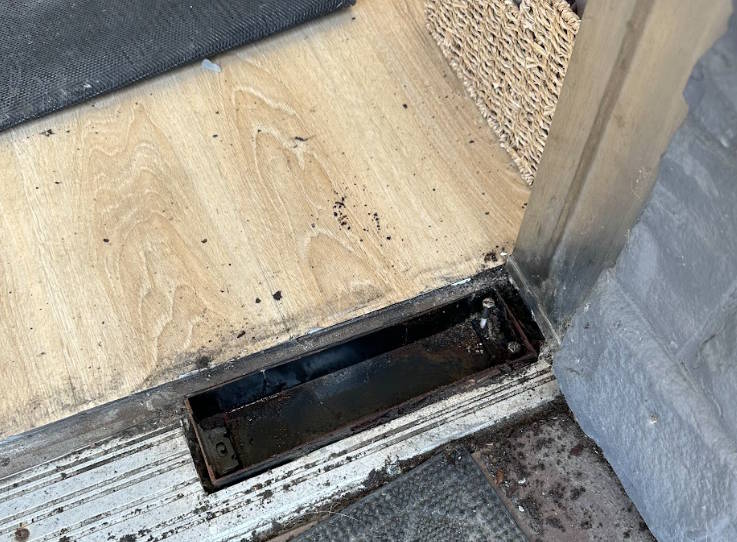
- Checking Entrances for corrosion‚ swelling‚ or misalignment
Basements should also be inspected for damp areas‚ musty odours‚ or staining along walls and floors. Spring rain can reveal drainage issues that were not obvious during colder months.
Downspouts should direct water away from the foundation. If water pools near the building‚ grading or drainage improvements may be needed.
Summer: focus on cooling and exterior care
Summer maintenance is largely about comfort‚ ventilation‚ and exterior condition. Air-conditioning systems work harder during hot periods‚ especially in buildings with poor airflow or clogged filters.
Replace or clean HVAC filters as recommended‚ keep outdoor condenser units free of plants and debris‚ and confirm that vents are not blocked by furniture. If some rooms remain significantly warmer than others‚ the system may need inspection or balancing.
Summer is also a practical time for painting‚ sealing‚ and exterior surface work. Dry conditions make it easier to address damaged trim‚ worn finishes‚ and minor masonry issues.
Additional summer tasks include:
- Washing Windows and checking screens
- Inspecting Decks‚ porches‚ and railings
- Trimming Plants away from siding and utility equipment
- Checking Outdoor Lighting and motion sensors
- Looking For Pest Entry points around vents and openings
- Testing Irrigation systems and outdoor drainage
- Reviewing Fences‚ gates‚ and shared access areas
Storms can bring strong wind and heavy rain‚ so owners should also confirm that outdoor furniture‚ planters‚ and loose items are secure.
Fall: prepare for colder weather
Fall is one of the most important maintenance periods for Toronto properties. The goal is to prepare the building before temperatures drop and snow arrives.
Clean gutters after most leaves have fallen‚ but before freezing conditions begin. Blocked gutters can cause water to overflow near walls or freeze along roof edges. Downspouts should remain connected and directed away from the foundation.
Exterior openings should be checked for drafts. Inspect weatherstripping‚ caulking‚ window seals‚ thresholds‚ and any visible gaps around utility penetrations. Addressing air leakage before winter can improve comfort and reduce strain on heating systems.
A fall checklist may include:
- Servicing The Heating System before peak demand
- Testing Smoke And Carbon Monoxide alarms
- Sealing Exterior Gaps and worn caulking
- Cleaning Chimneys or fireplaces where applicable
- Inspecting Attic Insulation and ventilation
- Draining Outdoor Water Lines
- Storing Seasonal Equipment safely
- Reviewing Snow Removal arrangements
Walkways and steps should be stable before ice makes existing cracks or uneven areas more hazardous.
Winter: monitor rather than postpone
Major exterior work may be difficult in winter‚ but regular observation is still important. Snow and ice can reveal problems with drainage‚ heat loss‚ and roof performance.
Watch for ice buildup near roof edges‚ water stains around ceilings‚ drafts near windows‚ and condensation that appears repeatedly. Heavy snow should be monitored‚ especially on flat roofs‚ canopies‚ sheds‚ and older structures.
Entrances also require attention during winter. Salt‚ slush‚ and grit can collect around thresholds and hardware. Mats should be positioned so they do not interfere with movement‚ and melted snow should be removed before it creates slippery surfaces.
Owners should also confirm that heating equipment‚ exhaust vents‚ and outdoor utility meters remain clear of snow.
Indoor systems need seasonal attention too
Seasonal maintenance is not limited to the exterior. Plumbing‚ electrical systems‚ ventilation‚ appliances‚ and safety equipment should be reviewed throughout the year.
Check beneath sinks and around appliances for small leaks. Test ground-fault outlets in kitchens‚ bathrooms‚ and exterior areas. Look for loose outlets‚ flickering lights‚ unusual smells‚ or breakers that trip repeatedly.
Bathroom and kitchen exhaust fans should move air effectively. Poor ventilation can contribute to moisture buildup‚ especially in winter when windows remain closed.
Smoke alarms‚ carbon monoxide alarms‚ fire extinguishers‚ and emergency lighting should be tested according to manufacturer guidance and local requirements.
Keep records of maintenance and changes
A maintenance log can help owners track recurring problems and plan future work. Record inspection dates‚ contractor visits‚ warranties‚ product information‚ and any changes made to the property.
Photographs are especially useful. A picture of a crack‚ stain‚ roof edge‚ or exterior component can make it easier to tell whether the condition is stable or getting worse.
For rental or multi-unit properties‚ records can also help confirm when common areas‚ safety systems‚ and building components were inspected.
Prioritize work by risk
Not every issue needs to be handled immediately. A practical way to prioritize maintenance is to consider safety‚ water intrusion‚ security‚ and the potential for further damage.
Urgent concerns generally include:
- Active Water Leaks
- Electrical Hazards
- Unsecured Entrances
- Structural Movement
- Failed Heating During Cold Weather
- Blocked Emergency Routes
- Loose Railings or unsafe steps
Cosmetic work can often wait‚ but defects involving moisture‚ access‚ or safety tend to become more expensive when delayed.
A year-round plan makes maintenance more manageable
Property maintenance becomes easier when tasks are divided across the seasons instead of handled all at once. Spring can focus on winter damage‚ summer on exterior work and cooling‚ fall on preparation‚ and winter on monitoring and safety.
Toronto weather will continue to test roofs‚ drainage systems‚ entrances‚ mechanical equipment‚ and exterior materials. A consistent seasonal checklist helps owners respond before small defects develop into urgent problems. The result is a property that remains safer‚ more efficient‚ and easier to manage throughout the year.