
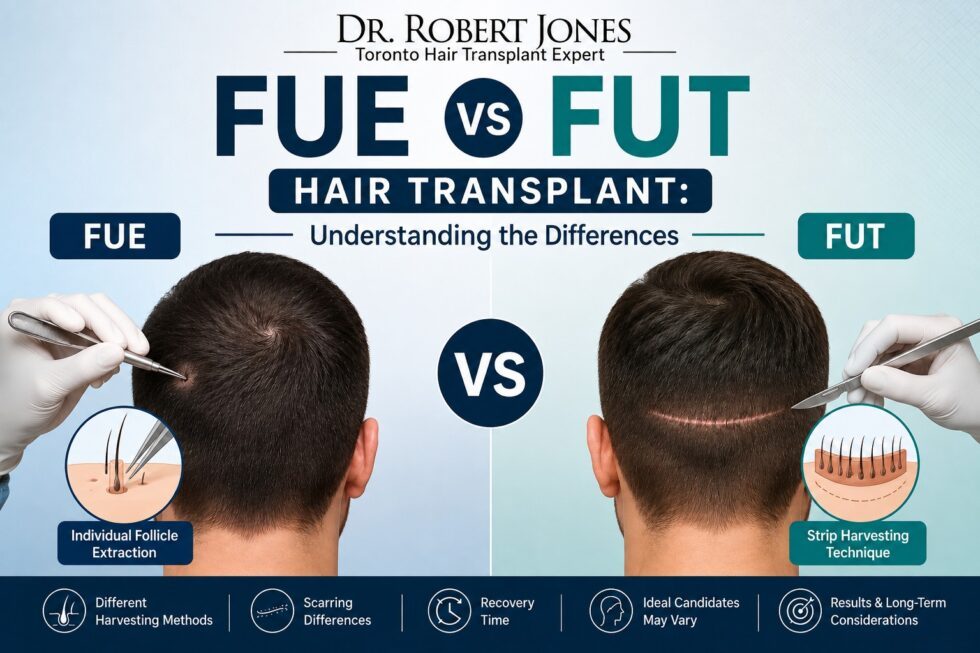
Deciding to undergo a hair transplant is an important step for anyone dealing with hair loss or thinning hair. While the procedure itself is performed by a qualified medical professional, good preparation can make the experience smoother and help you understand what to expect before, during, and after treatment. For patients considering a hair restoration procedure in Toronto, having a clear checklist can make it easier to prepare physically and mentally.
Choosing the right Hair Transplant Clinic Toronto patients can trust is one of the first decisions to make. Before booking your procedure, take time to research the surgeon’s qualifications, experience, treatment approach, and patient results. A consultation is also an opportunity to discuss your hair loss pattern, donor area, expectations, and whether a transplant is appropriate for your individual situation.
Schedule a Detailed Hair Transplant Consultation
A consultation should be more than simply selecting a procedure date. Your surgeon should evaluate your scalp and hair loss and discuss your goals. Depending on your situation, they may recommend a specific transplant technique or explain alternative options.
During the consultation, ask questions about the procedure, expected results, recovery time, possible risks, and long-term hair growth. It is also helpful to discuss your family history of hair loss and any previous treatments you have tried.
Understand Your Hair Transplant Procedure
Before surgery, make sure you understand how the recommended procedure works. Hair transplantation generally involves taking healthy hair follicles from a donor area and placing them into areas affected by hair loss.
Understanding the process can help you prepare realistic expectations. Hair growth does not happen immediately after transplantation. New growth typically develops gradually, so patients should be prepared for a recovery and growth timeline that can extend over several months.
Follow Your Surgeon’s Pre-Procedure Instructions
Your surgeon will provide specific instructions before your appointment. These instructions may include guidance about medications, supplements, alcohol, smoking, hair products, and other factors that could affect the procedure or recovery.
Do not stop prescribed medications on your own. Instead, tell your medical team about every medication and supplement you take and follow their recommendations. If you have any questions about a particular medication, ask before making changes.
Avoid Smoking and Alcohol Before Surgery
Smoking can affect circulation and may interfere with the body’s healing process. Alcohol can also affect the body and may interact with certain medications or instructions provided for your procedure.
Your surgeon may recommend avoiding alcohol and smoking for a certain period before and after treatment. Follow the specific timeline provided by your medical team rather than relying on general advice.
Keep Your Scalp Clean and Follow Hair Care Instructions
Your clinic may give you specific instructions about washing your hair and caring for your scalp before the procedure. Follow these directions carefully.
Avoid experimenting with new hair products, chemical treatments, or aggressive scalp treatments shortly before your appointment unless your surgeon has approved them. The goal is to arrive with a healthy scalp that is properly prepared for the procedure.
Plan Your Transportation and Recovery Time
Although hair transplantation is generally performed as an outpatient procedure, you should plan your day carefully. Depending on the instructions from your clinic and the medications used during treatment, you may need someone to drive you home.
It is also useful to keep your schedule relatively flexible after the procedure. Arrange time away from demanding physical activities and give yourself enough time to follow your aftercare instructions without unnecessary stress.
Choose Comfortable Clothing for Surgery Day
What you wear on the day of your procedure may seem like a small detail, but comfortable clothing can make the experience easier. Consider wearing a loose-fitting shirt or jacket that does not need to be pulled over your head.
This can help reduce unnecessary contact with the scalp when changing clothes after the procedure. Follow any additional clothing recommendations provided by your clinic.
Prepare Your Home for the Recovery Period
Before your appointment, prepare a comfortable space where you can rest. Keep any recommended medications, approved hair-care products, water, and other essentials within easy reach.
You may also want to arrange meals and reduce household responsibilities for the first few days. Having everything prepared in advance allows you to focus on recovery rather than everyday tasks.
Understand What to Expect After a Hair Transplant
Knowing what recovery may look like can help prevent unnecessary concern. Some patients experience temporary redness, swelling, tenderness, or mild discomfort around the treated areas. Your surgeon will explain what is normal and when you should contact the clinic.
You should also follow instructions about sleeping position, scalp washing, physical activity, sun exposure, and touching the transplanted area. Avoid scratching or picking at the scalp, even if it feels uncomfortable during healing.
Set Realistic Expectations for Hair Growth
One of the most important parts of preparing for a hair transplant is understanding that results take time. Newly transplanted follicles need time to settle and begin producing new hair.
The initial appearance does not represent the final result. Hair growth can gradually improve over the following months, and the exact timeline can vary between patients. Your surgeon can provide a more personalized estimate based on your treatment plan and individual hair characteristics.
Prepare Questions Before Your Appointment
Writing down your questions before your consultation can help you make better decisions. Consider asking about the recommended technique, the number of grafts, expected recovery, possible complications, aftercare, and the anticipated timeline for results.
You can also ask how your existing hair may change over time and whether additional treatment could potentially be needed in the future. A thorough discussion helps ensure that your expectations are realistic.
Final Thoughts
Preparing for Hair Transplant Surgery in Toronto involves more than simply showing up for your appointment. Researching your surgeon, attending a detailed consultation, following pre-procedure instructions, preparing your home, and understanding the recovery process can help you approach the procedure with greater confidence. Most importantly, follow the personalized medical advice provided by your hair restoration specialist.
A hair transplant is a personal decision, and every patient’s hair loss pattern, donor supply, goals, and treatment plan are different. Taking the time to prepare properly can make the overall experience more organized and comfortable. With realistic expectations and appropriate aftercare, patients can give their transplanted follicles the best opportunity to develop naturally over time.

