
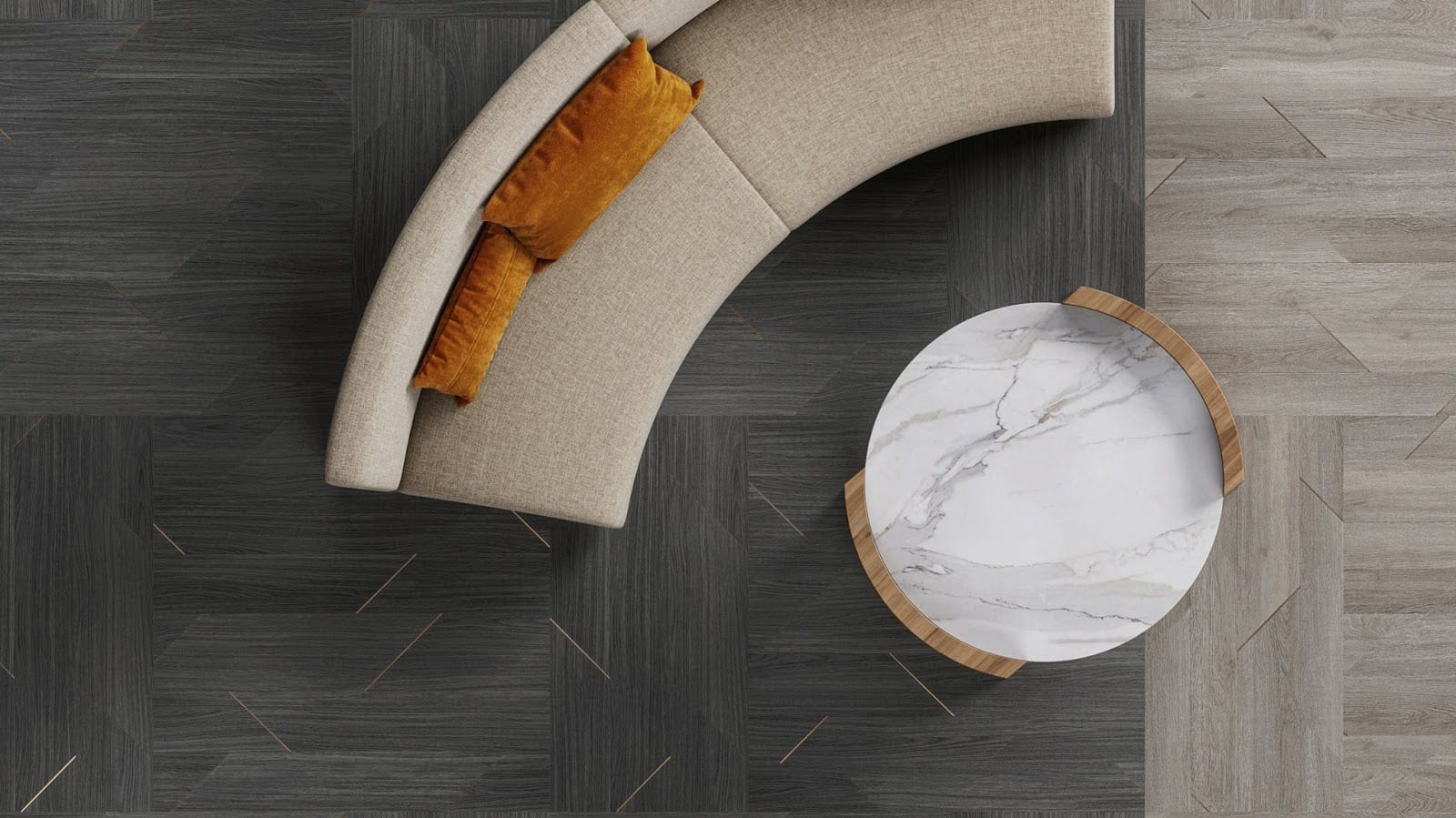
In modern design, interior architectural surface products influence far more than appearance. They shape durability, maintenance, workflow, first impressions, and the way a space is experienced every day. From hospitality interiors and healthcare environments to offices, retail spaces, mixed-use developments, and upscale homes, the right surfaces help define how a project looks and how well it performs over time.
Hyundai L&C, located at 1760 Corporate Dr., Norcross, Georgia 30093, continues to serve architects, designers, builders, and property decision-makers looking for surfacing solutions that balance aesthetics with practical value. In today’s market, material selection is no longer a late-stage finish decision. It is a strategic design choice that affects long-term performance, brand perception, and the quality of the built environment from day one.
Why Interior Architectural Surface Products Matter More Today
Design expectations have changed. Clients no longer want spaces that simply look attractive in photos. They want interiors that stay polished, function well under daily use, and support the long-term goals of the project. This is where interior architectural surface products have become increasingly important.
A high-performing surface can:
- Support durability in busy environments
- Improve visual consistency across a space
- Reduce visible wear over time
- Make maintenance easier for staff and operators
- Strengthen the perceived quality of the project
These benefits matter because surfaces are among the most visible and most used elements in any interior. Countertops, wall panels, reception desks, vanities, worktops, and feature surfaces all carry both design value and operational impact. When the wrong material is selected, the space may begin to show age too quickly. When the right material is chosen, the environment can continue to feel intentional, credible, and well-maintained.
The Expanding Role of Surface Design in Modern Interiors
Surface products used to be viewed as supporting details. Today, they often define the identity of the space itself. A front desk surface can shape a guest’s first impression. A feature wall can become the visual anchor of a retail or hospitality interior. A healthcare worktop can influence perception of cleanliness and professionalism. A breakroom counter can affect how employees experience the workplace.
This shift has made interior architectural surface products central to design conversations across sectors. These products now influence:
- Design identity
Materials help communicate whether a space feels modern, premium, practical, calming, or brand-driven. - Daily performance
Surfaces must handle regular contact, cleaning, moisture, spills, and general wear. - Operational efficiency
Easy-to-maintain materials can reduce upkeep pressure and help teams keep spaces looking polished. - Long-term value
Better products often lead to fewer visible issues, stronger durability, and lower replacement risk.
For project teams working under budget, time, and performance pressure, smart surface selection can create meaningful advantages.
What to Look for in Interior Architectural Surface Products
Not every material is suitable for every project. A smart decision starts with understanding how the space will be used, what level of traffic it will receive, and what visual result the design needs to achieve.
Durability for Real-World Use
A beautiful surface must also be able to withstand everyday conditions. In commercial environments, materials are exposed to repeated contact from guests, staff, customers, and maintenance teams. In residential spaces, surfaces still need to support daily living without quickly losing their appeal.
Durability matters in:
- Reception counters
- Workstations
- Bathroom vanities
- Breakroom and pantry surfaces
- Retail display zones
- Hospitality service areas
- Corridor feature walls
Strong interior architectural surface products help these areas maintain a better appearance over time.
Easy Maintenance and Cleanability
Maintenance should never be an afterthought. Some materials look impressive at installation but become difficult to preserve once the space is in daily use. Easy-care surfaces offer real value because they help protect the original design quality without creating excessive upkeep demands.
This is especially important in:
- Healthcare environments
- Hospitality spaces
- Offices
- Retail stores
- Shared residential amenities
When the finish is easier to maintain, the space is more likely to remain attractive, usable, and aligned with the original design intent.
Aesthetic Versatility
Every project has a different personality. Some spaces need a sleek, modern finish. Others call for warmth, elegance, softness, or a premium statement. High-quality interior architectural surface products should give designers flexibility to create the right tone without sacrificing performance.
Design versatility supports:
- Better alignment with brand identity
- More consistent storytelling across the project
- Stronger visual flow between zones
- Easier integration with furniture, lighting, and architectural details
Long-Term Project Value
The lowest installation cost is not always the smartest choice. A product that shows wear too early, needs frequent repair, or loses its visual quality can become more expensive over time. Better materials often provide stronger value across the full life of the space.
Long-term value should consider:
- Expected traffic level
- Cleaning frequency
- Exposure to spills or moisture
- Public visibility of the surface
- Importance of first impressions
Best Applications for Interior Architectural Surface Products
These materials can shape nearly every major touchpoint in a project. When selected well, they improve both experience and performance.
Reception and Welcome Areas
The reception zone is often the first place people interact with a brand or property. A polished desk surface or statement wall can communicate order, professionalism, and design confidence right away. Because of that, interior architectural surface products are especially important in first-impression spaces.
Office Interiors
Modern offices depend on surfaces that support function and visual credibility. Conference room counters, pantry worktops, restroom vanities, collaboration areas, and executive spaces all benefit from materials that balance professional style with practical strength.
Hospitality and Food Service Spaces
Hotels, restaurants, lounges, and resorts need surfaces that can hold up under frequent public use while supporting a refined guest experience. Front desks, bar tops, vanity surfaces, and feature walls all contribute to how the space is remembered.
Healthcare and Wellness Environments
Medical and wellness interiors need surfaces that look clean, feel professional, and support easier upkeep. Reception desks, exam room worktops, restrooms, and shared patient areas all rely on materials that can maintain their quality through repeated use.
Retail Environments
Retail spaces use surfaces to support both function and brand storytelling. Checkout counters, display tables, service desks, and statement walls all play a role in the shopping experience. In these settings, interior architectural surface products help shape customer perception while supporting daily traffic.
Residential Projects
In residential design, surfaces contribute to comfort, elegance, and long-term usability. Kitchens, bathrooms, living spaces, entry features, and custom design zones all benefit from thoughtful material selection that supports both lifestyle and aesthetics.
How Surface Products Influence User Experience
People often react to surfaces without thinking about them directly. A space that feels refined, well-kept, and visually cohesive often depends on strong material choices. A space that feels worn, uneven, or harder to trust may be dealing with poor surface selection.
That is why interior architectural surface products affect more than design appearance. They influence emotion, comfort, and confidence.
For example:
- A client entering an office notices whether the reception area feels polished.
- A hotel guest notices whether the vanity and shared surfaces feel premium.
- A retail shopper notices whether display zones feel clean and credible.
- A patient notices whether the environment feels professional and cared for.
- A homeowner notices whether a space still feels elevated after months of daily use.
Material quality helps create these impressions quietly, but powerfully.
Practical Tips for Choosing the Right Surface Products
Project teams can make stronger decisions by focusing on function as much as style. Instead of selecting finishes only by visual appeal, it helps to evaluate real-world use from the beginning.
Here are five practical tips:
- Define the purpose of each surface
Determine whether the product is mainly for visual impact, daily function, protection, or a combination of all three. - Assess traffic and touch frequency
Public-facing counters and shared-use surfaces usually need stronger performance than decorative or low-contact areas. - Review maintenance needs early
The cleaning routine should support the finish, not fight against it. - Keep design consistency in mind
Surface products should contribute to a connected visual experience across the entire project. - Think beyond opening day
A great-looking space should still look strong months and years after installation.
Surface Strategy as a Business Decision
Material choice is not only a design issue. It is also a business decision. Better surface selection can help support stronger client satisfaction, fewer maintenance headaches, better perceived quality, and more value from the overall investment.
For commercial projects, this can influence:
- Brand image
- Customer trust
- Employee experience
- Facility upkeep
- Long-term asset presentation
For residential projects, it can influence:
- Daily convenience
- Design satisfaction
- Property appeal
- Practical durability
- Long-term enjoyment of the space
This broader impact is why interior architectural surface products deserve careful attention during planning, specification, and execution.
Why Hyundai L&C Is a Strong Choice for Surface Design
Hyundai L&C continues to stand out as a trusted source for surfacing solutions that combine performance, visual appeal, and design relevance. In a market where projects must satisfy both aesthetic goals and practical demands, that balance matters.
Architects, designers, contractors, and property leaders often need materials that can support:
- Strong design presentation
- Reliable durability
- Easier ongoing maintenance
- Consistency across applications
- Long-term project confidence
Hyundai L&C supports those priorities with products suited for modern interiors where surface quality is closely tied to the success of the finished space. Located at 1760 Corporate Dr., Norcross, Georgia 30093, the brand remains a strong fit for projects that require dependable, design-forward surfacing solutions.
Key Benefits of Smart Surface Selection
Choosing the right surface products can help support multiple goals at once:
- Better first impressions
- Stronger durability in busy spaces
- Easier cleaning and upkeep
- More cohesive interior design
- Improved long-term value
- Better alignment between style and performance
These are not minor advantages. In many projects, they shape whether the space continues to feel premium, functional, and well-managed long after completion.
Conclusion
The best interior architectural surface products do more than complete a design. They protect the quality of the space, support daily performance, strengthen visual identity, and help create environments that remain impressive over time. From offices and hospitality interiors to retail settings, healthcare spaces, and homes, the right surface choices influence both how a project looks and how it lives. Hyundai L&C offers surfacing solutions built for modern interiors where durability, aesthetics, and long-term value all matter. Visit https://hyundailncusa.com/ to explore architectural surface products designed to elevate interior spaces with confidence and purpose.

