Your car usually gives you clues before an engine problem becomes a major headache. You might notice a new sound, weaker acceleration, unusual shaking, or a change in how much fuel the car uses. These signs are easy to dismiss when the car still starts every morning, but that does not mean everything is fine.
Learning to notice small changes can help you deal with a problem earlier, before your wallet starts feeling the damage too.
Pay Attention To Changes
One of the easiest ways to spot an engine problem is to notice when the car starts behaving differently. Maybe it takes longer to start, shakes while running, or feels weaker when you press the accelerator. Watch for changes in fuel use as well.
If you suddenly need to fill the tank more often without changing your driving habits, something may need checking. Smoke from the exhaust can also be a warning sign, especially when it appears regularly or looks unusual.
Understand What Happens Inside
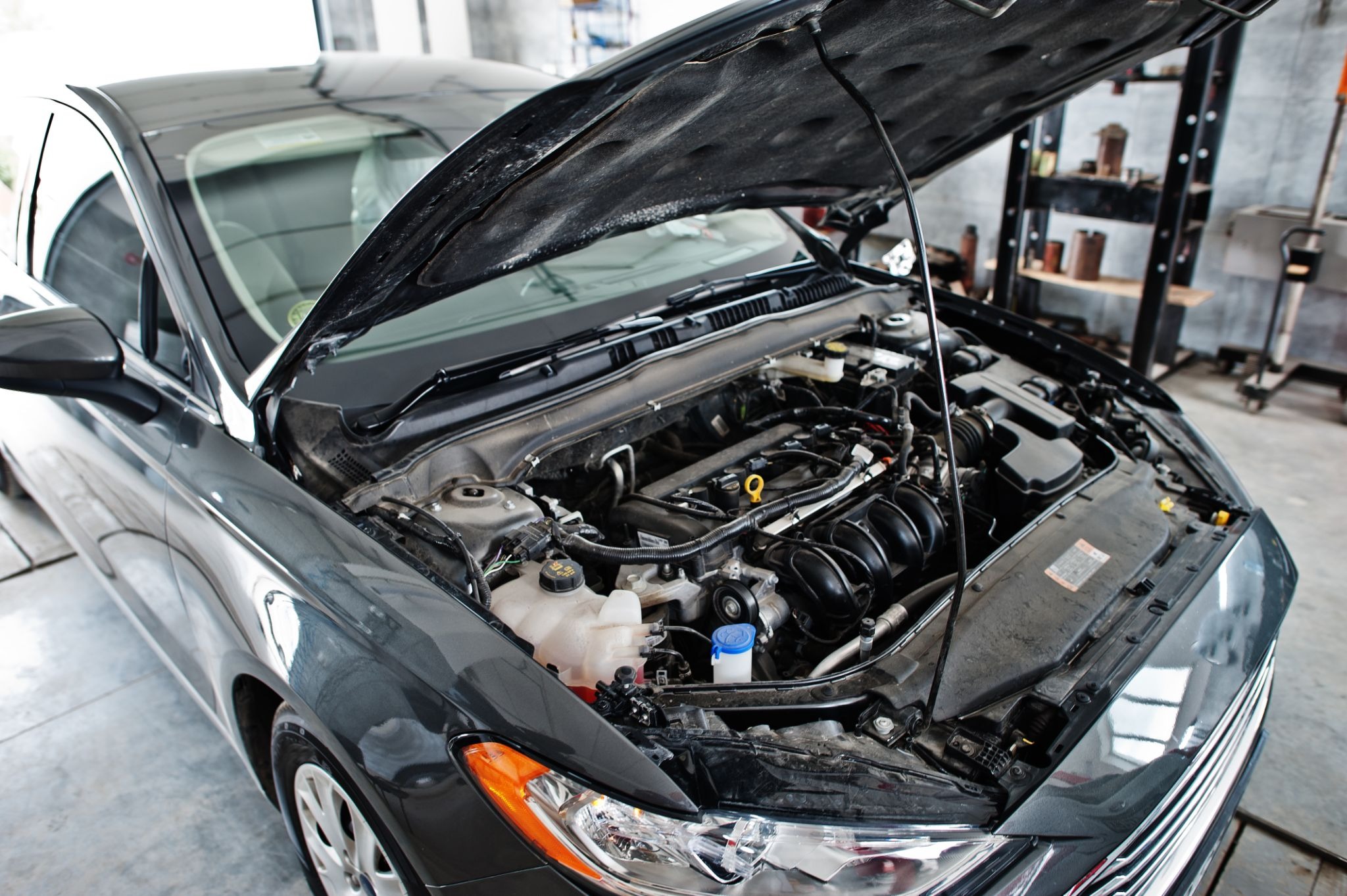
A car engine turns fuel and air into energy that eventually moves the vehicle. It does this through many parts working together in a carefully timed process. Inside the engine, components move repeatedly while dealing with heat, pressure, and friction.
When one part becomes worn or damaged, it can affect the way other parts work too. You do not need to understand every engine component to recognize the basic idea. Think of it like a group project where everyone has a job. If one person stops doing their part, the whole project can become a mess.
Learn About Piston Pins
Piston pins are small but important engine components. They connect the piston to the connecting rod inside the engine and allow these parts to move together during engine operation. The piston moves up and down while the connecting rod helps transfer that movement through the engine.
Because it works inside the engine, you cannot normally see the piston pin during everyday driving. However, problems with internal components can sometimes contribute to unusual engine sounds or changes in performance.
Don’t Ignore Strange Noises
Engines naturally make some noise, but you know when your car suddenly develops a sound that was not there before. Knocking, ticking, rattling, or tapping can have different causes. Sometimes a noise may come from a relatively simple issue.
Other times, it can point to a problem involving an internal engine component or another mechanical system. The sound alone usually is not enough to identify the exact cause. If the noise keeps happening, becomes louder, or appears along with poor performance, get it checked.
Know When To Get Help
If your car is losing power, producing unusual smoke, making persistent noises, or struggling to start, it is time to stop guessing and get professional help. The same applies when warning lights appear and stay on. A professional inspection can help identify the actual cause instead of relying on guesses.
This is especially useful when the problem involves parts that are hidden inside the engine. Finding an issue early can sometimes mean a smaller repair rather than a much larger one later. More importantly, proper attention helps keep the car dependable.