
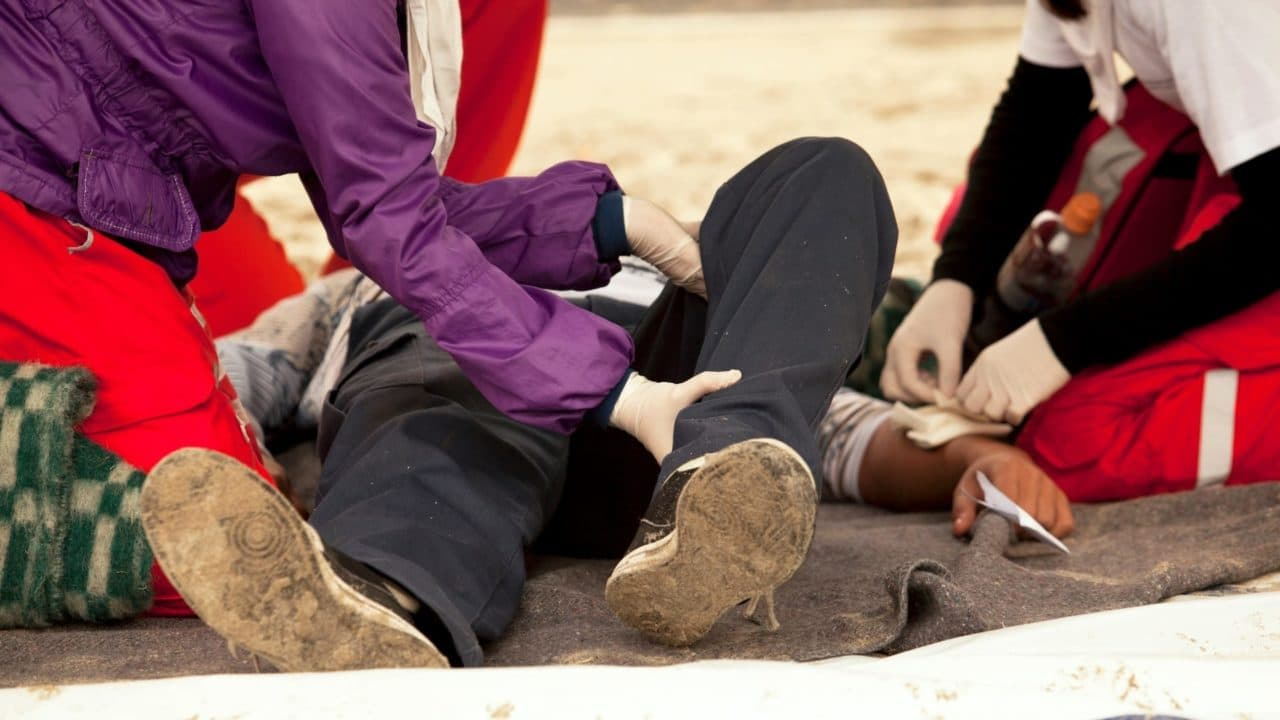
Summer in Toronto brings exciting street festivals, packed patios, and sweaty subway commutes. With busy city living comes unexpected emergencies, from heat exhaustion at the CNE to slips on the streetcar tracks. Learning basic first aid ensures you are ready to help when seconds actually count in the city.
Summer in Toronto is honestly unmatched. The city comes alive with outdoor festivals, packed patios, and the inevitable crowded TTC rides. But amidst the chaos of Caribana, the CNE, or just trying to get across downtown on a sweltering Tuesday, things can go wrong fast. Heat exhaustion kicks in. Someone trips on the streetcar tracks. We’ve all seen it happen.That’s exactly why taking a local First Aid course or exploring Toronto first aid options is one of the smartest things you can do before the busy season hits.
It’s easy to think emergencies only happen to other people. But when you live in a city of nearly three million, the odds are pretty high that you’ll witness a medical situation eventually.
- Why Do Torontonians Need First Aid Skills?
Toronto is a dense, fast-paced place. We walk, bike, and take transit almost everywhere. This high volume of foot traffic means minor accidents are just part of daily life.
Have you ever been on the 504 King streetcar when it suddenly slams on the brakes? People go flying. While paramedics are always a 911 call away, navigating downtown traffic means they can’t always appear instantly. Knowing how to step up in those first few critical minutes can literally save a life. You become the bridge between the accident and the arrival of professional medical help.
- What Happens When Summer Heat Hits the Festivals?
July and August in the city can feel like walking through a damp sponge. When the humidity hits its peak, events like VELD or the Toronto Caribbean Carnival get incredibly hot.
Dehydration and heat stroke are massive risks when you’re dancing in the sun for hours. Someone might complain of a headache, start sweating heavily, and suddenly faint. Would you know what to do if the person next to you collapsed? Moving them to the shade, elevating their legs, and applying cool water are basic skills taught in Canadian Red Cross certification classes.
These are practical, real-world skills. You aren’t just learning textbook theory; you are learning how to protect your friends and neighbors when the summer heat becomes dangerous.
- How Can You Handle TTC Commuting Emergencies?
Commuting in Toronto has its own unique set of challenges. We spend hours underground on the subway or waiting on crowded platforms.
Medical emergencies cause a massive portion of TTC delays. Someone might pass out on a packed Line 1 train due to low blood sugar or lack of air conditioning. Or, worse, a commuter might suffer a sudden cardiac arrest on the platform. If you know CPR and how to use an AED, you can take immediate action instead of just staring helplessly like everyone else.
If you want to read more about specific course requirements directly, you can check out https://www.c2cfirstaidaquatics.com/toronto/ to see what is actually covered in a standard class.
- What Basic Skills Can Save a Life in the City?
You don’t need a medical degree to be helpful in an emergency. In fact, keeping things simple is usually the best approach.
Standard First Aid covers the big stuff, like CPR and choking. But it also teaches you how to handle everyday urban injuries. Think about all the cyclists weaving through downtown traffic or pedestrians tripping over uneven sidewalks.
- How Do You Manage Bleeding or Sprains?
Let’s say a cyclist takes a tumble right in front of you on Richmond Street. They have a nasty scrape and a sprained wrist.
Knowing how to apply direct pressure to a bleeding wound is a core skill. You also learn how to create a simple sling using everyday items like a t-shirt or a scarf. These small interventions keep the injured person calm and stabilize them until professional help takes over. It is all about stopping things from getting worse.
- Is Blended Learning the Right Fit for Busy Locals?
Finding time for a two-day class feels impossible when your schedule is already packed with work and social events. Most Torontonians simply don’t want to burn an entire weekend sitting in a classroom.
That is where Blended Learning comes in. It splits the training into two manageable parts. You complete the online theory portion at home, maybe while drinking your morning coffee or riding the subway. Then, you attend a shorter, in-class session to practice the hands-on skills with an instructor.
It is fully WSIB/OHS approved, which means it meets all workplace requirements. Whether you need it for your downtown office job or just want the peace of mind, it is designed to fit into a busy city lifestyle.
If you are looking for first aid training near The Annex, Koreatown, or near the major crossroad of Bloor Street West and Palmerston Boulevard, or other areas close to our facility, then you may reach out to Coast2Coast First Aid/CPR – Toronto in that area. For more info and articles like this visit our website.
- Frequently Asked Questions
What is the difference between Standard First Aid and CPR/AED Level C? Standard First Aid is a comprehensive course that covers both medical emergencies (like burns, broken bones, and allergic reactions) and CPR. CPR/AED Level C focuses strictly on cardiovascular emergencies and choking for adults, children, and infants.
Is online-only first aid training accepted in Toronto? No. To be WSIB approved in Ontario, you must demonstrate practical skills in person. Blended learning is allowed, but the hands-on, in-class component is mandatory for full certification.
How long does my Canadian Red Cross certificate stay valid? Your certificate is valid for exactly three years from the date of issue. Before it expires, you can take a shorter recertification course to renew your skills.
Can I fail a first aid training course? It is rare, but possible. You need to attend the entire session, participate in the physical skill demonstrations, and pass a simple multiple-choice test at the end. Instructors are there to help you succeed, not to trick you.
Do I need to bring anything to the in-class training session? Just bring yourself, comfortable clothing for moving around on the floor, and a piece of government-issued ID. All training materials, bandages, and CPR mannequins are provided at the facility.


